From HEL to MEL, local’s guide to Australia’s culture capital, Melbourne

Consider this your most comprehensive guide to experiencing Melbourne like a local. A few friendly warnings before we dive in: Melbourne’s food scene is dangerously good, and it may turn you into a lifelong food snob. Melbourne’s weather will keep you guessing, even on the loveliest summer night (=always bring a jacket). And I swear, during my time in Melbourne, I only saw one huntsman spider.
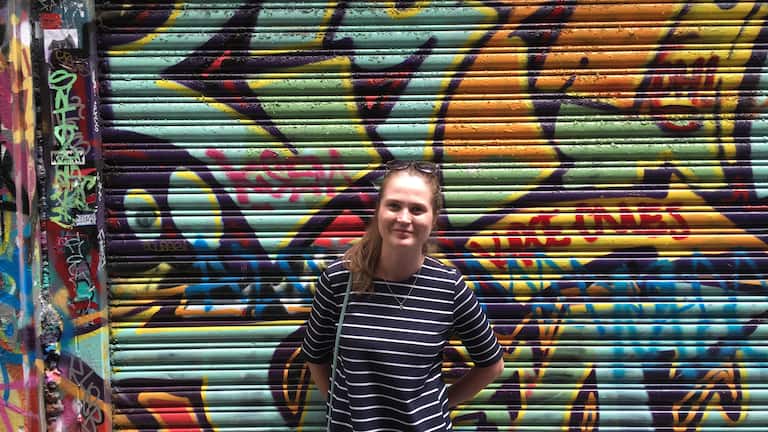
Melbourne’s laneways are covered in colourful street art
Photo: Heidi Ruuhonen
Arriving in Melbourne
The SkyBus is the easiest way to get from Melbourne Airport to the city (approx. 20–30 minutes). If you prefer door-to-door, taxis and ride-shares are reliable. To move around like a local, pick up a Myki card (available at the airport and most convenience stores) and tap your way onto trams, trains and buses.
If you decide to rent a car, brace yourself for driving on the left, and for Melbourne’s signature hook turns: right turns made from the left lane to allow trams to pass. They look wild but make sense once you’ve tried one.
Pick your base
Melbourne is an easy city to stay in, with affordable hotels and sociable hostels that are well located, alongside a wide range of accommodation options to suit every travel style and budget. Stay in the CBD (City Business District, meaning the city centre) for convenience, quick transport connections and an easy walk to the city’s cultural sights.
For a more local, bohemian feel, the Inner North is full of character, with vintage shops, street art and some of Melbourne’s best brunch spots. If beach sunsets and fun evenings out sound appealing, look to the Inner South, with St Kilda’s shoreline and South Yarra’s boutiques just moments away.

Melbourne is a city of distinctive suburbs. To help you navigate like a local, this guide divides the days by area: CBD, Inner South, Inner North, Williamstown & Footscray and then further down south. I’ll also share some of my favourite day trips and things to bring back home as a souvenir. Let’s go!
Day 1: CBD
Start your Melbourne journey in the CBD, which is home to laneways, landmarks and some very good shopping. Have the best coffee and brunch of your life in one of the Melbourne institutions such as The Hardware Société, Higher Ground, Brick Lane, Operator25 or Brother Baba Budan.
Wander through Hosier Lane to see ever-changing graffiti art, then stroll past Flinders Street Station before continuing along the Yarra River for those classic skyline views – or hop on a boat cruise for a relaxed way to see the city from the water. To get a sense of the city from above, head up the Eureka Tower’s observation deck for sweeping views of the city. Eureka is also walking distance from National Gallery of Victoria, which I highly recommend.

Flinders Street Station
When you feel your tummy rumble, you have plenty to choose from. Grab dumplings at Shanghai Street, modern Thai at Cookie, local produce at Farmer’s Daughters, ramen at Little Ramen Bar, sample some Japanese flavours at Supernormal or pick one of the many places in Chinatown. Don’t skip Queen Victoria Market, which comes alive on Wednesday evenings with its vibrant night markets full of food, music and local makers.
Day 2: Inner South
If you’re staying in the CBD, head south on foot and enjoy the transition from urban streets to green spaces as you walk through the Royal Botanic Gardens. Continue towards South Yarra and along Chapel Street, where you can shop, have great coffee, and people-watch. From here, make your way to St Kilda for a refreshing swim or a walk along the beach.

Royal Botanic Gardens
In Albert Park, you can stroll parts of the F1 racetrack before finishing your walk at Andrew’s Hamburgers for a classic Aussie burger with beetroot. Sports fans should head to Melbourne Cricket Ground, MGC, in Richmond in the evening to catch Aussie Rules football (go Hawks!) or, if you’re visiting in January, world-class tennis during the Australian Open. Even if you’re not the biggest sports fan, the atmosphere is worth experiencing!
If sport isn’t your thing, stay in St Kilda instead. Head to the pier at sunset to spot little penguins waddling in from the sea, then choose from the many lively bars in St Kilda or South Yarra. For dinner, Prahran is my personal favourite: think modern Asian flavours at Mr Miyagi, Tokyo Tina or Hanoi Hannah, or house party vibes with excellent food at Leonard’s House of Love. There are loads of options just a short walk away.
Day 3: Inner North
On day 3, head north of the CBD to discover Melbourne’s creative heart, where independent shops, leafy streets and excellent food define the mood. Start your day in Fitzroy or Brunswick with brunch at a local favourite such as Industry Beans, Proud Mary or St Ali – you really are spoilt for choice!
Spend the afternoon wandering along Brunswick and Smith streets, browsing vintage stores, record shops and local designer boutiques. Pause in Edinburgh Gardens for a breather or keep an eye out for the colourful street art that fills the laneways throughout the area. Bunjilaka Aboriginal Cultural Centre and Royal Exhibition Building are nearby and make an easy cultural stop.

In the evening, the Inner North offers plenty of fun places to eat and unwind. Head to Naked for Satan for pintxos and rooftop views, enjoy plant-based comfort food at Smith & Deli, share vibrant Southeast Asian dishes at Rice Paper Scissors or warm up with a bowl at Moroccan Soup Bar. Finish the night with a drink nearby or grab an ice cream from Gelato Messina and soak up the area’s effortlessly cool atmosphere.
Day 4: Williamstown & Footscray
Head west for a different side of Melbourne. Start the day in Williamstown, a historic seaside suburb with calm beaches, heritage streets and city views across the bay. It’s an easy spot for a coastal walk, a swim in warmer months or fresh fish and chips by the water.
Later, continue on to Footscray, one of Melbourne’s most multicultural neighbourhoods and a true food destination. Wander through Footscray Market and follow your nose to Vietnamese, Ethiopian and other global kitchens dotted around the area. It’s a great place to eat well, explore a little and experience a more local, everyday Melbourne before heading back into the city.

Colourful bathing boxes at Brighton Beach
Photo: Heidi Ruuhonen
Day 5: South
On day 5, go further south for a day by the sea. Start with Brighton Beach, where the colourful bathing boxes line the sand. If time allows, keep heading down to the Mornington Peninsula, known for its relaxed coastal towns, wineries and long stretches of beach.
End the day at Peninsula Hot Springs, soaking in natural thermal pools surrounded by nature – the perfect way to slow down after a few busy days in the city. Stay for sunset if you can, then head back feeling refreshed.
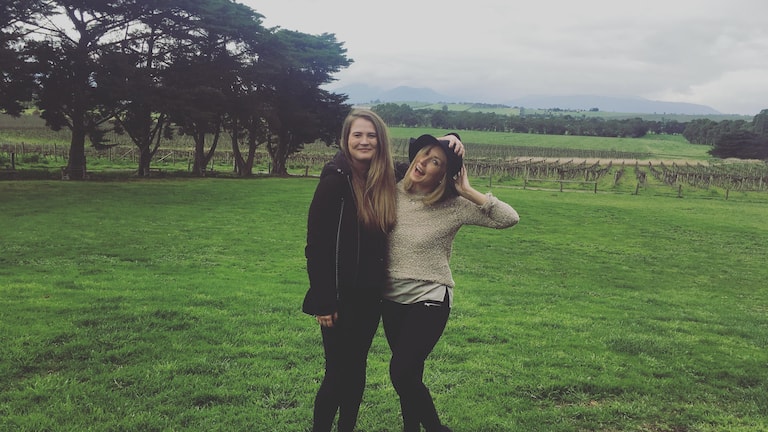
Yarra Valley’s lush scenery
Photo: Heidi Ruuhonen
Take a day trip and swap city streets for the outdoors
Make sure to mix in a few day trips – you can join a guided tour or hire a car. There’s so much to explore, here are a few highlights:
- Great Ocean Road – A must-do. Drive one of the world’s most scenic coastal roads to see the Twelve Apostles, spot koalas in Kennett River and enjoy world-class surf beaches.
- Grampians – Perfect for hiking, dramatic viewpoints and waterfalls. Expect open landscapes and some of Victoria’s most beautiful walks.
- Wilsons Promontory – Ideal for nature lovers, with white-sand beaches, coastal hikes and frequent kangaroo and wallaby sightings. Great for a long day trip or an overnight stay (I recommend camping there!).
- Phillip Island – Visit for the famous Little Penguin Parade at sunset, along with coastal scenery and wildlife experiences.
- Yarra Valley, Healesville & Dandenong Ranges – Just outside Melbourne, this lush region is home to rolling vineyards, day spas and lavender fields. In Dandenong Ranges you can board Australia’s oldest steam train, Puffing Billy, all accessible by public transport.
- Tasmania – Not a day trip, but well worth adding to your itinerary if you have extra time. Plan at least a few days to experience the dramatic landscapes, wild coastlines and some great hiking.
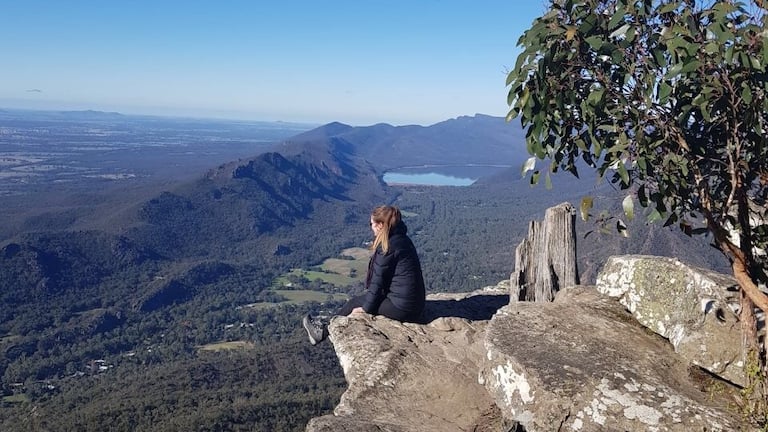
Hiking at the Grampians
Photo: Heidi Ruuhonen
What should I bring back home?
There’s plenty to choose from, but this is what I always buy as a souvenir:
- Tim Tams – Iconic chocolate biscuits loved by Aussies. Pro tip: Try a Tim Tam Slam, where you bite the opposite corners of your Tim Tam and use it as a straw to drink your hot beverage of choice until it becomes a gooey and delicious, well, a mess.
- Vegemite – You either love it or hate it, but I still always have a jar in my cupboard.
- Peter Alexander pyjamas – The cutest, comfiest pyjamas you’ll ever wear.
- Aesop products – Australian cosmetics brand Aesop was founded in Melbourne in 1987. The aromatic hand creams smell heavenly.
- Assembly Label – This Sydney-based clothing brand has several stores across Melbourne, offering minimalist pieces made from high-quality materials.
- Local artisanal products – Browse local markets for produce made with native ingredients like kakadu plum, lemon myrtle and tea tree oil.
- Lucas’ Pawpaw ointment – A cult Aussie classic: a multi-purpose balm that fixes just about anything from dry lips to irritated skin.
- Aboriginal art – A meaningful Melbourne souvenir: authentic Aboriginal art that tells stories through colour, pattern and tradition.
Finnair offers daily flights from Helsinki to Melbourne, starting from October 2026. The entire route is operated with the same Finnair Airbus A350 aircraft via Bangkok.