Embraced by the Alps: Andrés’ guide to authentic Turin
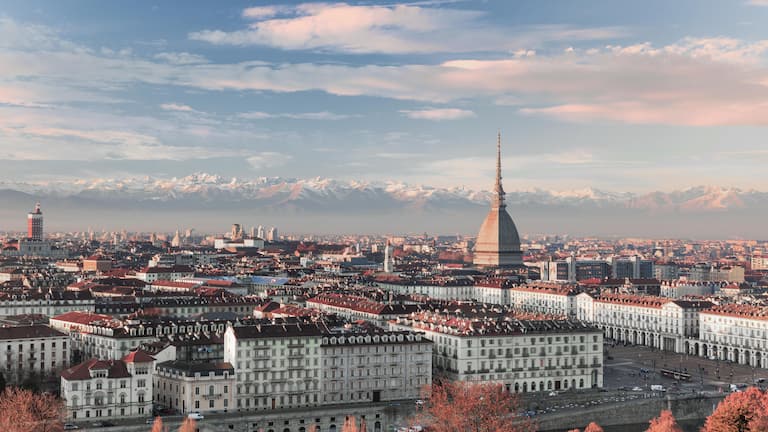
Andrés is originally from Colombia. He lived in the Turin region for around 20 years before moving to another country. He grew up not in the city itself, but in Mattie, a village of around 700 people in the Val di Susa, about 50 minutes west of Turin. He lived in Mattie for about four years before moving to the nearby town of Susa.
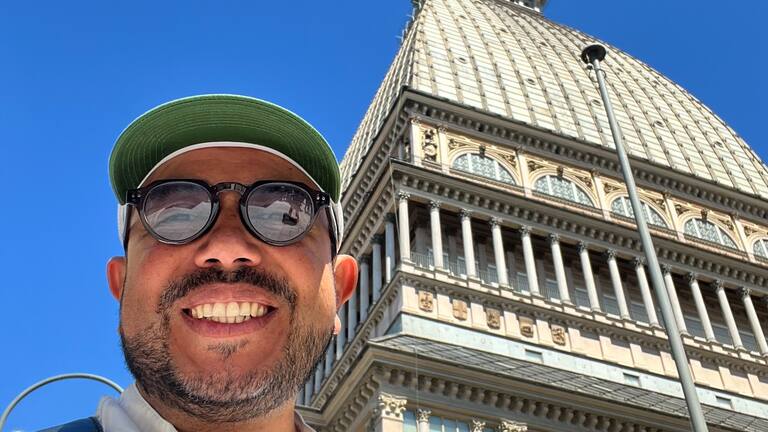
Photo: Andrés Romero
"Seeing the Alps, the snow, and those vast mountains was something extraordinary, almost shocking in the most beautiful way. I had never experienced anything like it before," Andrés recalls.
Six months after arriving, he had made friends, was responding in Italian at school, and had started to feel at home in the valley. Turin, the nearest big city, felt like somewhere full of life and possibilities. It still does. Read Andrés’ tips to this interesting city with a local feel.
Turin city centre: what to see and where to walk
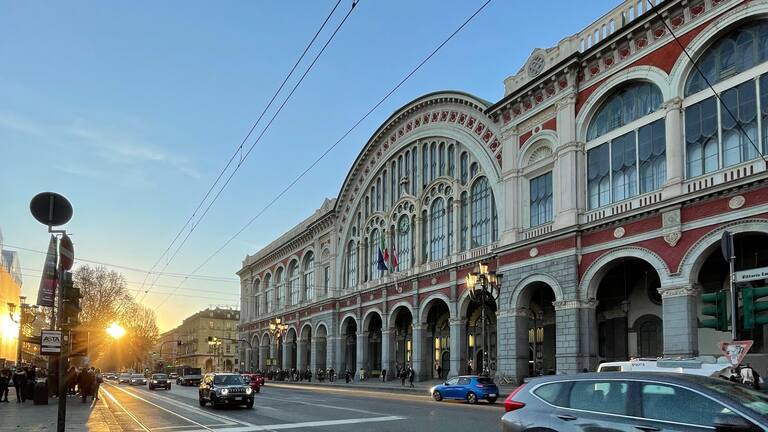
Photo: Andrés Romero
Start at Porta Nuova and walk north along Via Roma. The porticoes keep you sheltered in rain and shade in sun, and the pace slows naturally as you pass through Piazza Carlo Felice, the historic Piazza San Carlo with its many traditional coffee shops, and on towards Piazza Castello. From there, continue along Via Garibaldi towards Porta Susa, taking in the squares, the architecture, and the cafés along the way.
Andrés has one piece of advice: "Let yourself get lost in the city. If you see a line of people, that's the place for food. That's where the locals go."
Head east from Piazza Castello towards Via Po. The street runs downhill under porticoes lined with bookshops and small stalls, past the university, until it opens onto Piazza Vittorio Veneto and a view across the river to Monte dei Cappuccini and the Basilica of Superga on the hill beyond. Overlooking the square is the Mole Antonelliana, Turin's most recognisable landmark and the home of the National Cinema Museum. Just nearby, Turin Cathedral houses the Shroud of Turin, the linen cloth believed by many to bear the image of Christ. For one of the widest panoramic views over the city, Parco Europa is also worth the detour.
The Egyptian Museum
Most people visit The Egyptian Museum at least twice. The first time is usually a school trip.
"As a child, I was shocked. Seeing the mummies, realising that a body could be preserved like that for over 3,000 years, it was something hard to even imagine," Andrés says.
The second visit lands differently. By then you know more about ancient Egypt, and the sarcophagi, the replica of the Rosetta Stone and the hieroglyphs take on a different weight. "It's like what you study suddenly becomes real, more vivid, more alive," he adds.
What do locals do on a Sunday in Turin?
Sunday in Turin belongs to the family table. It doesn't matter what happened on Saturday night. As Andrés puts it: "Sunday is still dedicated to being together. Long conversations around the table, talking about the past week, sharing stories from everyday life."
After lunch comes coffee, usually with pastries from a local bakery. In the afternoon, football. Around six, an aperitivo: a Spritz with Aperol or Campari and something to eat alongside it.
Caffè Al Bicerin and the drink that defines Turin
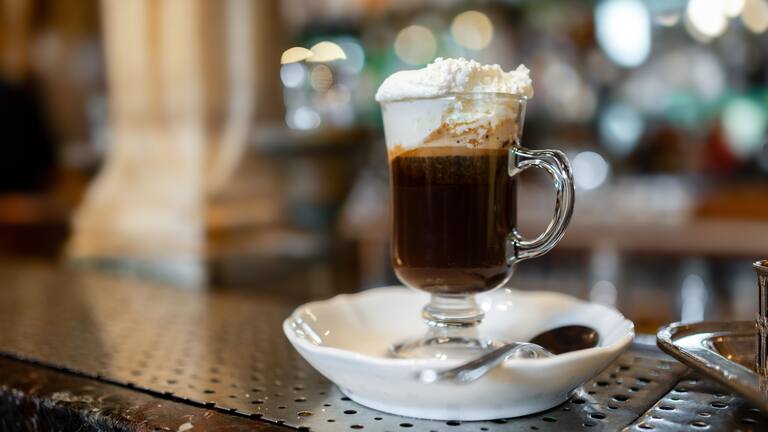
At Caffè Al Bicerin, there is really only one order. The Bicerin was born here: layers of espresso, hot chocolate and cream, served in a small glass. "It's rich, comforting, and absolutely iconic," Andrés says.
He pairs it with a hazelnut cake, a Piedmontese specialty, or a simple apple cake: "The kind that brings back the feeling of homemade desserts, like the ones our grandmothers used to make," he adds.
Turin's best chocolate shops
Turin's relationship with chocolate is old and serious. Several historic addresses are worth knowing.
Guido Gobino is considered one of the best places for gianduiotti, the hazelnut chocolate that defines Piedmontese confectionery. Baratti & Milano, once the official supplier to the Royal House of Savoy, still feels like it. Caffè Fiorio, where King Charles Albert of Sardinia once asked every morning what was being said inside, serves hot chocolate and gelato in a room that has barely changed since.
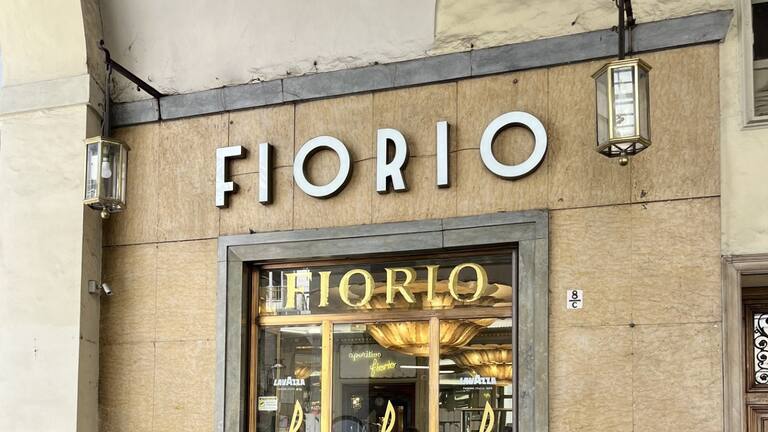
Photo: Andrés Romero
Andrés sums it up simply: "In Turin, chocolate is history, culture, and emotion all in one. Don't just taste it. Experience it."
If you are in the city in spring, CioccolaTò brings the best chocolatiers together for the city's annual chocolate festival.
Juventus, Torino FC and the role of football in the city
Juventus play at the Allianz Stadium in the northwest of the city. Torino FC play at the Stadio Olimpico Grande Torino. The two clubs divide loyalties across generations. "In Turin it's impossible not to feel football's presence. The city lives through its two teams," Andrés says.
If you do not have a ticket, most bars will have the match on. A beer or a glass of wine and a seat in front of the screen works just as well.
Skiing near Turin: the Alps are right there

They are not just a backdrop. In winter, people drive or take the train up to ski. The Via Lattea connects several resorts including Sestriere and Sauze d'Oulx. Bardonecchia is especially popular, reached by direct train from the city centre.
"It's really part of the lifestyle. Many go up just for the day to do a quick ski run," Andrés says.
By five in the afternoon, the après-ski begins: drinks at the base of the slopes, sometimes music, a slow wind-down before heading back down.
Day trip to Langhe: into the vineyards

An hour south of Turin, the hills of Langhe are worth a full day. The landscape alone earns the trip, vineyards rolling in every direction and small villages that feel almost suspended in time.
A good day usually starts in La Morra for the panoramic view over the vineyards, continues to the village of Barolo and the WiMu wine museum, then lunch at a local trattoria or directly at a winery. In the afternoon, Monforte d'Alba or Grinzane Cavour Castle, before finishing in Alba.
"The Langhe are at their best when you slow down, stop at random viewpoints, visit small wineries you discover along the way, and just let yourself get lost among the hills," Andrés recommends.
One practical note: the legal blood alcohol limit for drivers in Italy is 0.5 g/L, and zero for drivers in their first three years. If wine tastings are on the plan, arrange a designated driver or other transport in advance.
Day trip: Sacra di San Michele

One place Andrés adds to every list: the Sacra di San Michele, an ancient abbey on a rocky mountaintop about 35 minutes from Turin in the Val di Susa. According to legend, the Archangel Michael appeared in a dream to inspire its construction.
"There is a kind of magic there, a different energy, something you can feel regardless of religion. And the view from the top is simply extraordinary," he says.
The climb up is part of the experience. So is the quiet at the top.
When is the best time to visit Turin?
Turin changes clearly with the seasons. Winter means ski slopes, red wine and slow-cooked food. Spring brings the parks back to life and fills the weekends with events. Summer is for open-air squares and, when the city gets warm, the mountains are an hour away. Autumn brings harvest season, mushrooms, hazelnuts, chestnuts and the food and wine festivals that follow.
As Andrés puts it: "If I had to recommend one moment, I would say autumn and spring are especially magical. But honestly, each season shows a completely different face of Turin worth discovering."
Flying to Turin with Finnair
Finnair flies year-round from Helsinki to Turin from May 2026, with up to three weekly flights during summer. The flight takes around three hours.