Make your taste buds sing in South Korea

Expect a varied flavour profile
Korean food is often thought to be fiery spicy, which is partly true as Koreans do enjoy spiciness. This is demonstrated by the liberal use of the chili paste condiment gochujang and the chili powder gochugaru.
What’s even more important than spice, however, is the flavours, freshness and creating depth through umami. Koreans tend to use various natural seasonings and a lot of fresh seasonal vegetables creatively. Korea also has a rich tradition of fermentation adding to the complexity of taste sensations.
Since Koreans value a variety of flavour above all, a Korean meal usually includes several dishes. A typical meal consists of a main dish, a bowl of rice and soup, and several vegetables or seafood side dishes which are called banchan. The favourite dish of Kimchi is a staple part of this banchan culture.
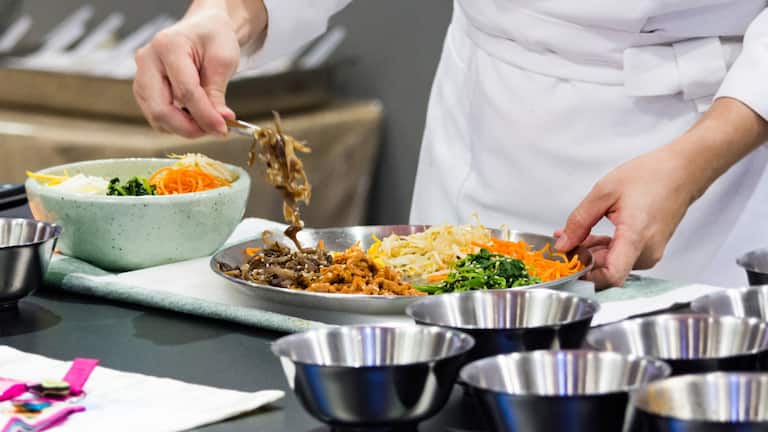
Classic dishes to experience
The Korean classics are a good example of the variety of flavour enjoyed. Koreans are also very seasonally oriented. Hot and heavy dishes are best enjoyed during the winter months and lighter, cooling dishes in the summer.
A Korean barbeque is something every meat-eating traveller is a must-try. It consists of unseasoned or marinated meats barbecued over a charcoal grill. The making process is an experience itself as there are tiny barbeque stands integrated at each dining table.
Or you could try gukbap, a boiling hot soup served with rice. There are many kinds of gukbap with different ingredients, such as pork, beef, blood sausage, bean sprouts or tofu. It’s a perfect winter dish - but locals love it even in the summer.
A typical summer dish on the other hand is naengmyeon. To fight the humid, hot summer, thin chewy noodles with clear, refreshing broth are loved by many.
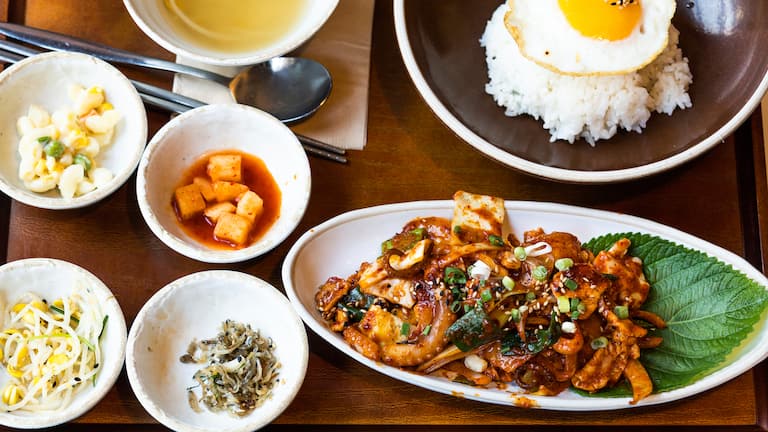
Banchan dishes such as kimchi form the foundation of Korean dining. Beyond the familiar fermented cabbage, you'll find variations made with spinach, anchovies, beans, and sesame leaves, each bringing its own character to the table.
At the end of the night, you will probably end up getting some fried chicken. A good pairing is a combination of classic crispy and spicy seasoned chicken, enjoyed with a beer or a soft drink.
Or you could try out the authentic and creative street food. One example of this is tteok-bokki, stir-fried rice cakes cooked in sweet and spicy sauce.
Navigating Seoul’s food scene
To find good restaurants an easy option is to download the Naver or Kakao map apps. They include restaurants with their ratings. Both are widely used and make it possible to search restaurants and cafés in different categories. The restaurant scene in Seoul is bustling and ever changing so using the apps makes sure you do not miss any of the new and exciting options around.
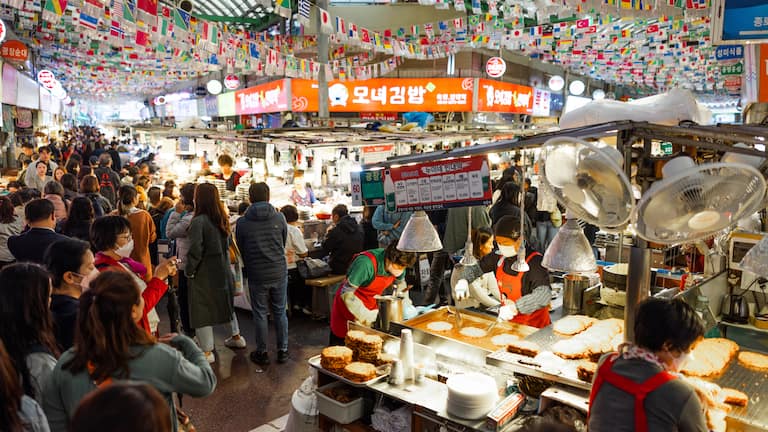
In Seoul it pays off to be a bit bold with your restaurant choices. Sometimes the best restaurants are the ones without a fancy decor. If you are looking for street food specifically, head out to Gwangjang Market, where all the street food options you could hope for are gathered in one place. The market also sells snacks, fruit, and non-food items.
Seoul's café culture reflects the same attention to detail found in its cuisine. Thoughtfully designed spaces serve carefully crafted desserts and exceptional coffee. Near Gyeongbokgung Palace, Leedorim Coffee & Vegan Bakery pairs modern design with beautifully presented pastries. For something more playful, 943 Kings Cross draws inspiration from Harry Potter.
Taste the soul of Seoul
Seoul's culinary landscape moves from the energy of Gwangjang Market to quiet café corners, each moment offering its own discovery. Whether you're drawn to centuries-old traditions or contemporary interpretations, the city invites you to experience Korean culture through its food.
Finnair connects you to Seoul daily.