Hong Kong: an active city break between sea and mountains
A city that welcomes you in
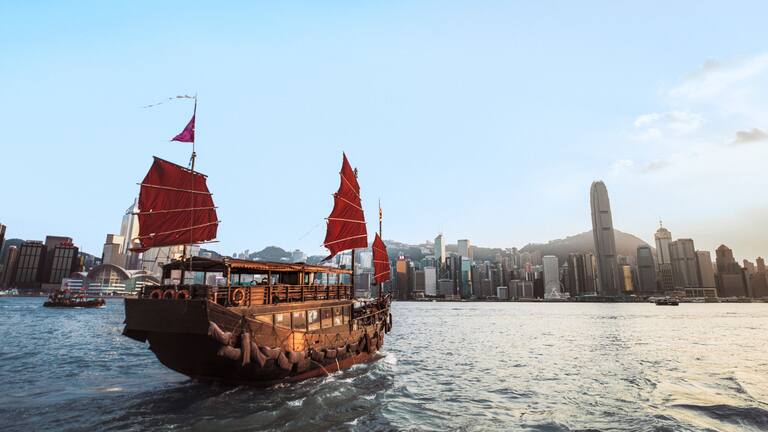
Hong Kong is a blend of quiet nature and busy city life, with skyscrapers rising in the middle of green mountains. Thanks to its balance of bustle and peace, all kinds of travellers can find their place in the city, especially if you’re looking for movement and activities.
“From the very first moments in Hong Kong, I felt at home. I knew right away that this was a pleasant place filled with lovely people. The city truly radiates a welcoming energy,” Pinja describes.
Hong Kong is an international city with an extensive public transport network, which makes it both fun and effortless to explore, no matter where you’re coming from or what you’re looking for. If you want to get around the local way, the double-decker “Ding Ding” tram, running on Hong Kong Island since 1904, is worth a ride.
When it comes to the best time to visit the city, Pinja recommends the final months of the year. Summers in Hong Kong are typically hot and humid, while in spring, especially in March and April, humidity rises, and visibility can dip due to fog and mist. For clear skies and comfortable temperatures, plan your visit between October and December.
Hiking above the hustle
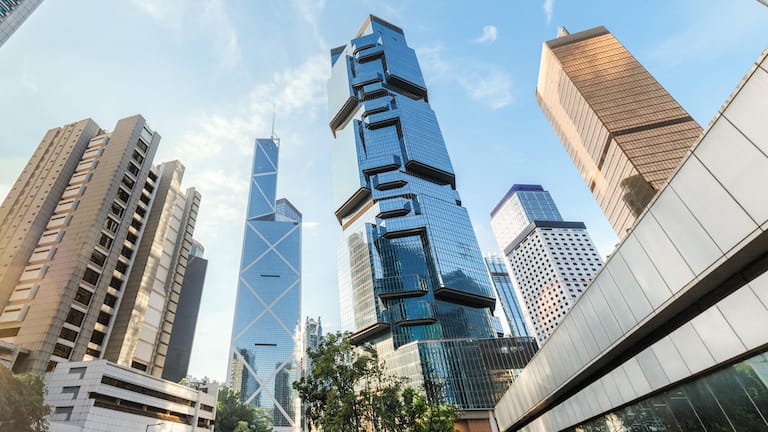
Hong Kong has more skyscrapers than any other city in the world, more than 550 buildings over 150 metres, and the skyline is a defining part of the city. Whether you’re walking the busy streets or enjoying the view from one of the many rooftop terraces, skyscrapers dominate the scene wherever you look. Yet while the city’s energy is always present, Hong Kong also knows how to offer calm in the middle of it all. One of the easiest ways to experience this balance, and to enjoy the same city views in peace, is hiking. Pinja, an enthusiastic hiker, has explored many of Hong Kong’s trails and knows routes for every level, from relaxed walks to more challenging climbs.

View from The Peak
Picture: Pinja Kainulainen
“Hiking trails are one of Hong Kong’s standout features,” Pinja explains. “There’s something for everyone, from short hikes that take just a few hours to full-day adventures and even multiple-day treks, so you can pick whatever suits you. Just make sure to bring plenty of water, some snacks and comfortable clothes, especially good walking shoes, and you’ll be all set.”
Paths for all the paces
For a first-time visitor to the city, Pinja recommends Victoria Peak, or simply “The Peak”, the highest hill on Hong Kong Island at 552 metres. “This is the place for views, especially for sunsets and for taking in the city’s night skyline. And you can get there in whatever way suits you: by hiking, tram or taxi,” Pinja explains.
One good way to experience The Peak is by going up and coming down via different routes. Since the hill is quite steep, Pinja recommends hiking to the top and, after the sun sets, riding the tram back down to avoid any risks in the dark. The Peak isn’t just about the sunset view either: it also offers several other hiking trails to explore, each with its own level of difficulty and perspective.

View from Lamma Island
Picture: Pinja Kainulainen
Another good option for gentle, beginner-friendly hiking is Lamma Island, about 30 minutes by ferry from Central Pier 4. The island’s routes are easy and family-friendly, suited to travellers who want to enjoy nature views at a slower pace. Besides the landscapes, Lamma offers beaches and plenty of restaurants and cafés by the sea, which makes it a good day trip from the city.
If you're looking for longer and more demanding trails, there are plenty to choose from. However, it’s good to know that even longer trails are divided into multiple sections of varying lengths. This allows you to start your adventure wherever you like, or even complete only one of the many connecting sections.
The Hong Kong Trail is a 50-kilometre route divided into eight sections, running from The Peak to Big Wave Bay. It’s one of the most popular trails in the area, and for a good reason: the trail winds past some of the city's central attractions and offers wide views throughout. For a longer adventure, the MacLehose Trail stretches 100 kilometres across the New Territories in ten sections. The full trek can take up to a week and covers some of Hong Kong’s highest peaks. You can also hike just a few sections, such as the first two, for a demanding six-hour walk of about 16 kilometres that includes both peaks and beaches. History enthusiasts might enjoy a hike to Jardine’s Lookout, where, in addition to sweeping views, you can find abandoned wartime stoves and tunnels.

View from the Dragon’s Back Trail
Picture: Pinja Kainulainen
Finally, Pinja shares a tip from a local: the Dragon’s Back Trail. This easily accessible and popular route is about 8 kilometres long, takes about 3 to 4 hours and suits beginner hikers too. “As the striking name suggests, this trail is quite impressive, and the scenery rewards you the whole way. It ends at Big Wave Bay Beach, where you can cool off in the waves after the hike,” Pinja says. These are just a few suggestions, but there are hundreds of routes to choose from.
What to eat in Hong Kong
Besides being a haven for hikers, Hong Kong is also a city for food lovers, from main courses to desserts. In this international city, you’ll find flavours from around the world on every corner.
Pinja’s first tip is matcha tea. “Whenever I visit, matcha is a must,” she laughs. For fellow matcha enthusiasts, she recommends Matchali, a café with branches in Wan Chai and Central that serves everything from matcha lattes to brunch. If you’re looking for vegan options, LN Coffee in Sai Ying Pun offers a full menu from breakfast to main courses, and it’s especially known for its cakes. Though a bit further from the city centre, it’s worth the walk.
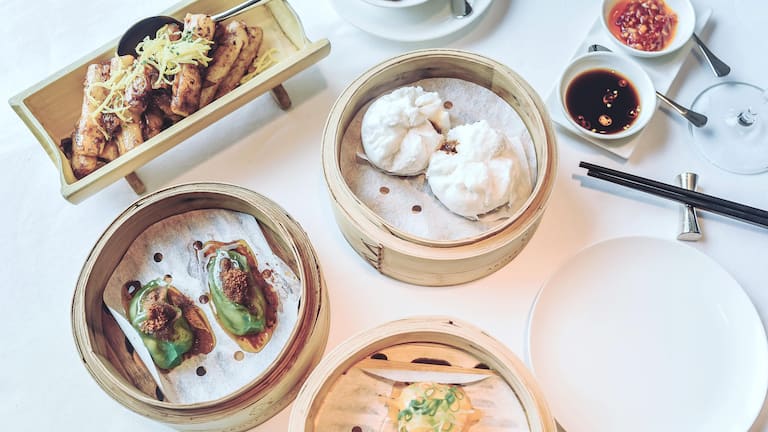
When it comes to main dishes, Pinja says you can find good dim sum spots everywhere, even when you’re not actively searching for one. No single recommendation is needed, just keep in mind that the most affordable places can get quite busy. At best, a dim sum meal place delights all your senses and turns into a full cultural experience. And if you happen to be craving ramen, Pinja names Takeroku Ramen, praising its rich broth simmered for hours.
Escalators, horse races and the Star Ferry
Hong Kong is a city of layers, both in terms of views and activities. Adventures wait along the shoreline, in the mountains all around, and between the two. Mid-Levels, a residential area between Victoria Peak and the city centre, is known for the Central–Mid-Levels Escalator: at over 800 metres, it is the longest outdoor covered escalator system in the world according to Guinness World Records. Here, commuting by escalator is part of daily life, and it's worth seeing as a visitor too. Then there’s Happy Valley, a neighbourhood with a name as intriguing as its history. The name is said to be a euphemism for the cemeteries in the area, but today the valley is known for horse racing. Happy Valley Racecourse hosts night races from September to July, and racing there becomes a full-blown spectacle. “Wednesdays are especially lively, as there’s a bigger event, a show that combines the races with a full half-time show,” Pinja describes.
Victoria Harbour divides Hong Kong Island from Kowloon and the mainland side of the city, and the Star Ferry is a scenic way to cross it. A favourite among both locals and visitors, the ferry has two routes to choose from, both with wide views of the skyline. The Star Ferry has crossed the harbour since the 1880s, which makes it one of Hong Kong’s oldest attractions. And, like the Ding Ding tram, it has two decks, making the ride just a bit more fun.
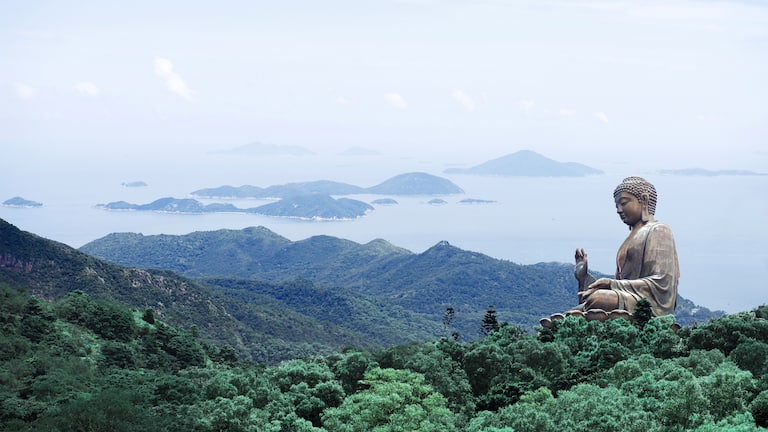
The Big Buddha statue on Lantau Island
Save time for the Tian Tan Buddha, also known as the Big Buddha, which sits on a hilltop at Ngong Ping on Lantau Island. The 34-metre bronze statue was completed in 1993. As Lantau is also home to Hong Kong’s international airport, you might even catch a glimpse of the statue from your plane window. Take the MTR to Tung Chung and continue by the Ngong Ping 360 cable car or by bus; reaching the statue itself requires a climb of 268 steps. True to the spirit of Hong Kong, Lantau Island also offers something for everyone, from quiet beaches and plane-spotting spots to outlet shopping and hiking trails.
Finnair flies to Hong Kong daily from Helsinki.