Traditional Finnish food – 10 flavours to try on your next visit

Finland has four distinct seasons, and each one changes what ends up on the table. Whatever time of year you visit, something is in season: berries in summer, mushrooms and game in autumn, and warm pastries with coffee all year round.
Cinnamon roll (korvapuusti)
Starting with a sweet classic: Finnish cinnamon rolls, known as korvapuusti, are spiral-shaped pastries filled with sugar, cinnamon and butter, with cardamom in the dough.
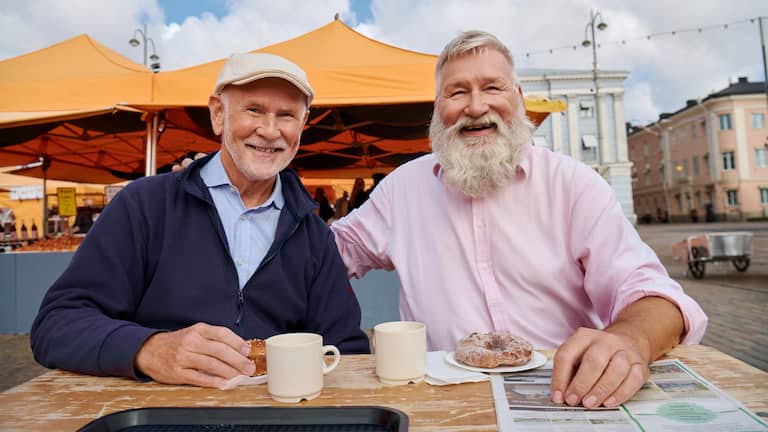
Finns eat them with coffee, and bakeries sell them all year round. In Helsinki, Café Regatta bakes them fresh in a red wooden cottage from 1887, on the shore near the Sibelius Monument. The café opened in 2002, and you can sit by the open fire in the yard even in winter.
Squeaky cheese (leipäjuusto) with cloudberries
Finnish squeaky cheese, or leipäjuusto, translates directly as “bread cheese”. Its firm texture squeaks against your teeth, which is where the English name comes from.
There are many ways to eat squeaky cheese. It is often served warm with cloudberry jam or fresh cloudberries, which balance the cheese's mild flavour. Cloudberries ripen on northern bogs from mid-July to early August, and the season lasts only two to three weeks. The size of the harvest varies a great deal from year to year, and the Natural Resources Institute Finland publishes a forecast each summer.
However, leipäjuusto is delicious enjoyed cold as well, and some people prefer it this way. For another traditional Finnish experience, you can try the cheese with coffee, either by dipping bits of it in the hot beverage for a special flavour combination or by dropping bits in your coffee and eating them after finishing the drink.
Karelian pie (karjalanpiirakka)
Karjalanpiirakka, or Karelian pie, comes from the Karelia region on both sides of the Finnish–Russian border. It combines a rice porridge filling with a thin rye crust. Variations use mashed potato, barley or carrot instead of rice. Karelian pies are traditionally served with egg butter, a mixture of hard-boiled eggs and butter.

The Karelian pie received Traditional Speciality Guaranteed (TSG) status from the European Union in 2003, which protects its recipe and name. You will find them in bakeries, grocery stores and cafés across the country. Kotileipomo Sorsa, a family bakery in Liperi in Eastern Finland, has made them by hand since 1968 and sells them nationwide.
Fresh berries from forests and market squares
Beyond cloudberries, Finnish forests and fields produce plenty of other berries. Strawberries arrive in early summer, then wild blueberries and raspberries, and lingonberries towards autumn.

Picking your own is common in Finland: strawberries from a field, blueberries and raspberries from the forest. If you would rather not, a market square or a grocery store is quicker. Market squares are part of the fabric of Finnish towns and cities, with stalls selling the berries, vegetables, flowers and handicrafts of the season, and usually a café or two for coffee and a cinnamon roll. Helsinki Market Square sits by the South Harbour, next to the ferry to Suomenlinna. The Baltic Herring Market has been held there every October since 1743.
Mushrooms
Finnish forests also produce a wide range of mushrooms. The classics are chanterelle, porcini and funnel chanterelle, each with its own flavour.
Foraging for wild mushrooms is allowed almost anywhere in Finland under everyman's rights, and plenty of restaurants serve them if you would rather not pick your own. The main mushroom season runs from August to October, when stews and pies appear in shops, home kitchens and restaurants. Chanterelles work well in a sauce, porcini in a risotto and funnel chanterelles in a soup.
Finnish fish and salmon soup
Juha and Miikka from Finnair Kitchen are enthusiastic about Finnish fish: “Finland is the land of a thousand lakes, and its fresh waters are full of vendace, pikeperch, pike and perch, which is also Finland’s national fish. Further north you find streams and clear lakes with grayling, trout, Arctic char and salmon,” they say.

Creamy salmon soup, lohikeitto, is the dish most visitors remember. Kalaliike S. Wallin serves it at its bistro counter in Turku Market Hall, which opened in 1896 and is Finland’s second oldest market hall. The fishmonger itself dates from 1887. Market halls work like market squares but indoors, and you will find them in towns across the country, full of counters, cafés and small restaurants. Hakaniemi Market Hall in Helsinki opened in 1914 and reopened in 2023 after a full renovation.
Archipelago bread (saaristolaisleipä)
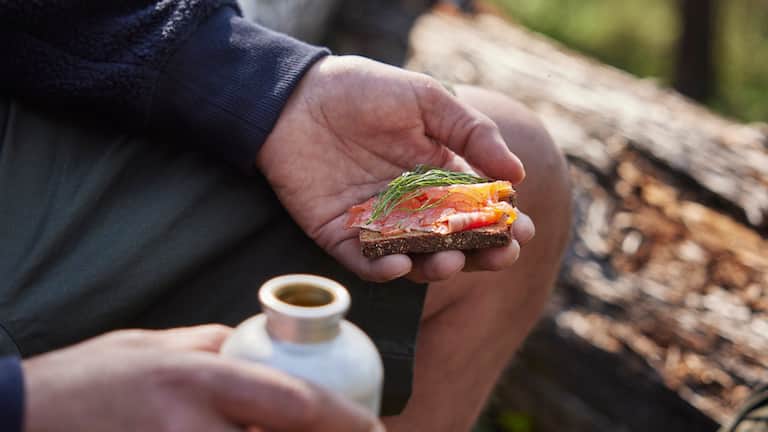
Salmon soup is often served with sweet archipelago bread, saaristolaisleipä, a dark malted rye bread from the Åland Islands and southwestern Finland. It is dense and moist, and it goes well with cured salmon, pickled herring, or simply butter and cheese.
Game meat
Hunting remains a common pastime in Finland, so game meats such as moose, grouse and mallard are used widely in kitchens across the country.
In Helsinki, Nokka and Saaga both build their menus around game, wild fish, mushrooms and berries. In Rovaniemi, Restaurant Kota at Apukka Resort cooks northern dishes over an open fire inside a kota, the cone-shaped Lappish hut. Elsewhere, market squares, market halls and local restaurants in almost any Finnish town will have something from this list.
Blood sausage (mustamakkara)
Before the sweeter end of the list, Juha and Miikka suggest something bolder. Tampere is the home of mustamakkara, Finnish blood sausage. The meat counter Lihakipparit in Tampere Market Hall sells it hot over the counter, made by Tapola, the oldest producer of the sausage. The hall itself is the largest market hall in the Nordics.
Mustamakkara directly translates to black sausage, the name coming from the mixture of pork, pork blood, and rye flour, which gives the sausage its characteristic dark colour and strong flavour. Mustamakkara is usually served hot and traditionally eaten with lingonberry jam, which provides a sweet and tangy contrast to the savoury and slightly metallic flavour of the sausage.
Finnish candy: salmiakki and chocolate
Finnish sweet shelves run from salty liquorice that tests your taste buds to milk chocolate made with fresh milk. There is something here for most tastes, and a few things that divide opinion.
Salmiakki is Finnish salty liquorice, flavoured with ammonium chloride. It tastes salty and sweet at once, and it tends to leave an impression, though whether that impression is a good one is for you to decide. It comes in hard and soft forms, milder and fiercer. Halva has made salmiakki at its Pitäjänmäki factory in Helsinki since 1960 and offers both ends of the range.
Two names come up most often: Fazer and Brunberg. Brunberg has made sweets in Porvoo since 1871 and is still a family business, now in its sixth generation. Its chocolates, toffees, liquorice and handmade sweets are sold in larger grocery stores, and the widest selection is at the factory shop in Porvoo, less than an hour from Helsinki by bus.

Fazer was founded in Helsinki in 1891 and is a household name in Finland. It is best known for Karl Fazer milk chocolate, sold in its blue wrapper since 1922 and made with fresh milk rather than milk powder. Fazer also makes liquorice, sweets and bakery products, from bread to pastries and cakes.
To plan your trip further, read our top 10 reasons to visit Finland.